Insights
Designing Through the Passenger Lens
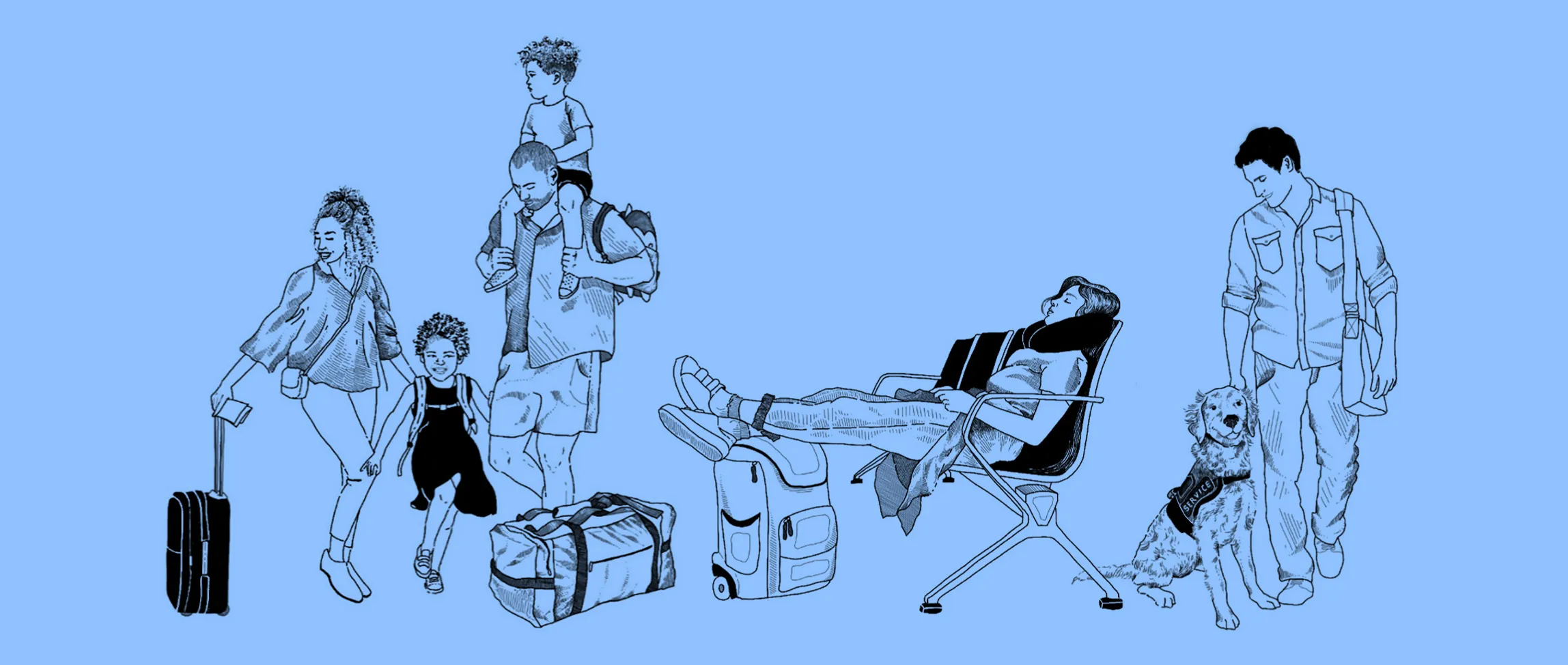
Every day, airports welcome thousands of travelers, families beginning long-awaited vacations, frequent flyers heading to another client meeting, retired couples embarking on once-in-a-lifetime trips, passengers requiring additional assistance, and travelers making the most of an unexpected layover. They all move through the same terminal, yet they experience it in very different ways.
By Robert Meder
How Understanding Human Behavior Creates Better Airport Environments
For decades, airport planning has relied on averages: passenger volumes, circulation patterns, dwell times, and operational performance. Those metrics remain essential, but they don’t fully explain how people experience the spaces around them. At SCB, we look beyond the numbers to understand how different travelers move through, use, and experience airport environments.
Rather than asking only how many passengers will move through an environment, we also ask: How will different people experience the same space? Because there is no such thing as the average traveler.
Seeing Airports Through the SCB Passenger Lens
One of airport design’s greatest challenges is creating a single environment that performs well for many different people with very different needs.
The business traveler is finishing a presentation before boarding, while the vacationing family is regrouping around luggage, children, and boarding information. The retired tourist values comfort, confidence, and an environment that’s easy to navigate, while a passenger requiring additional assistance depends on intuitive circulation that supports independence. An extended layover traveler experiences the terminal very differently than someone boarding in fifteen minutes.
None of these travelers is exceptional. Together, they represent the reality of modern air travel. The challenge isn’t designing a different airport for each of them. It’s designing one airport that serves all of them exceptionally well.
From Observation to Design
Across SCB’s aviation work, we’ve learned that some of the most valuable design insights come from observing how people naturally use space. Where travelers choose to sit, what they keep within view, how they arrange themselves around luggage or companions, and what draws them toward—or away from—a particular area can reveal needs that aren’t always apparent in traditional planning metrics.
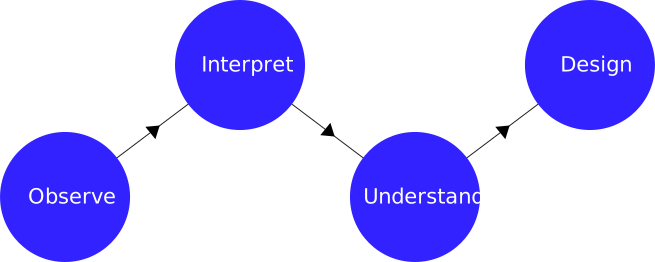
These aren’t isolated moments. They’re recurring patterns. To SCB, they’re design feedback. They can inform something as specific as the placement of power and flight information or something as fundamental as seating, circulation, sightlines, and the organization of the terminal itself.
The SCB Passenger Lens
To better understand these recurring behaviors, SCB developed a series of passenger profiles that serve as a design tool throughout our planning process.
The profiles aren’t intended to categorize travelers or suggest that everyone fits neatly into one description. A single person may identify with several profiles over the course of a journey—or even within the same space. Instead, the profiles allow us to test design decisions from multiple perspectives before a line is ever drawn.
Each profile asks four questions:
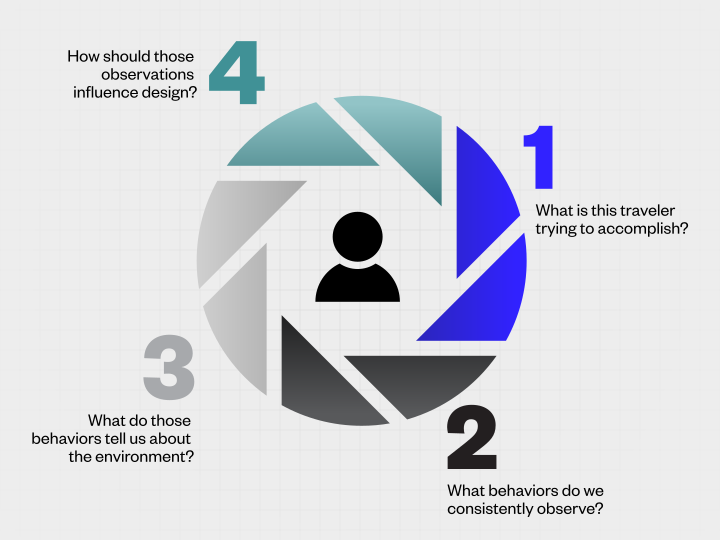
Together, they form the SCB Passenger Lens, a methodology for challenging assumptions and considering human behavior alongside operational requirements. By looking at the same design through different passenger experiences, we can identify needs, conflicts, and opportunities that averages alone may not reveal.
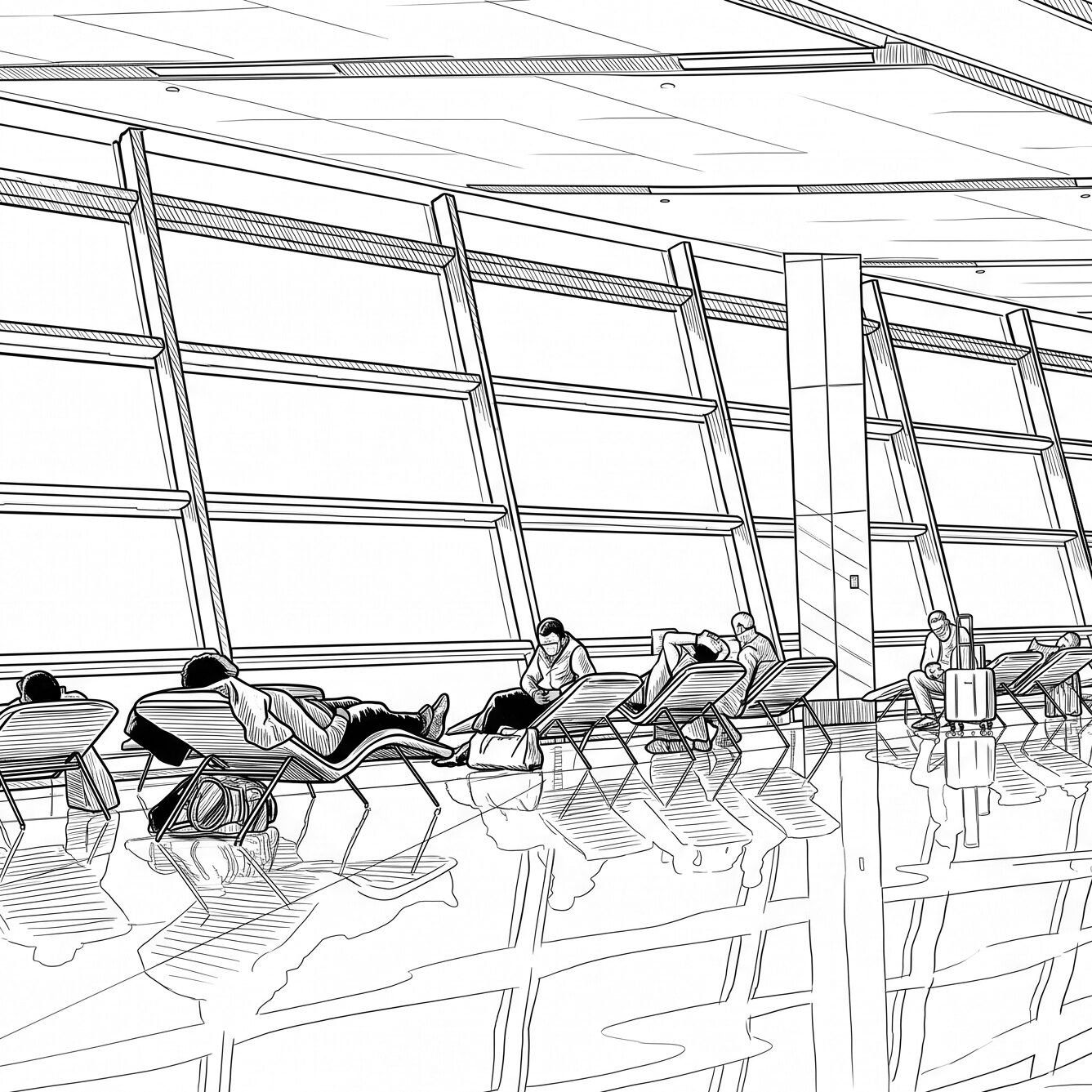
Applying the SCB Passenger Lens
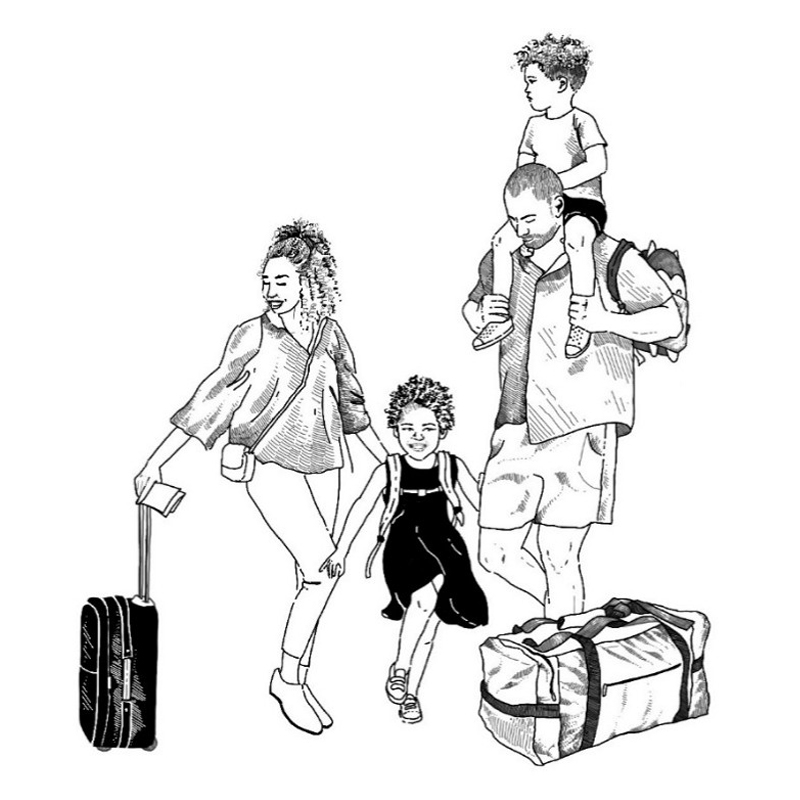
Families naturally establish a temporary home base where they can keep companions, luggage, and boarding information within view while preparing for the next stage of their journey.
Design Response
Create flexible environments that allow families to remain together while supporting circulation and visibility.
SCB Insight
Families don’t need more seats. They need spaces that work together.
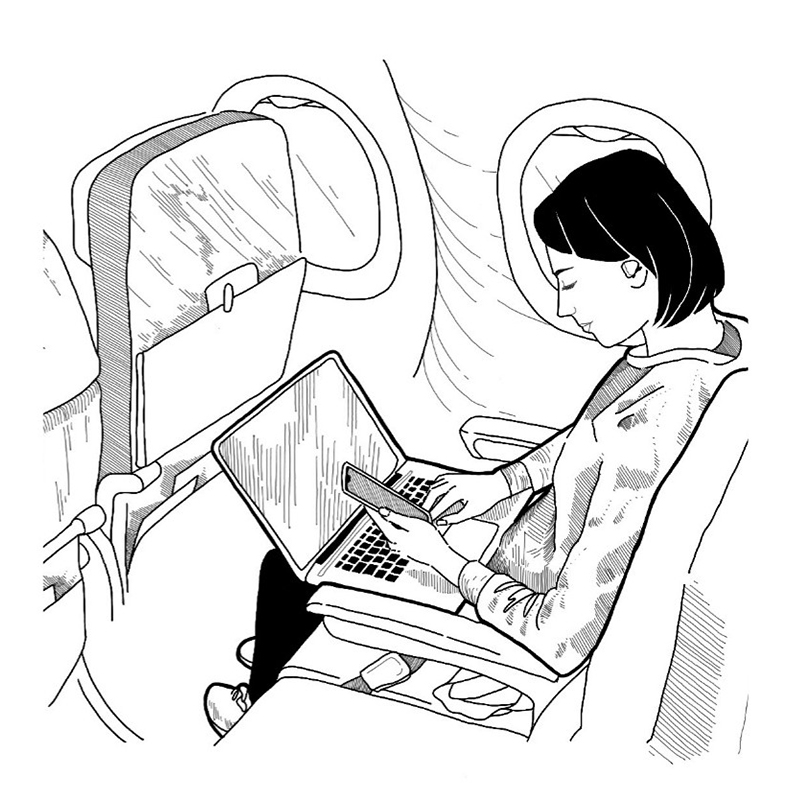
These travelers move confidently through the airport, relying on digital tools to stay informed and productive. They choose where to spend time based on access to power, reliable connectivity, visibility of flight information, and environments that support focused work until boarding begins.
Design Response
Treat technology as an integrated part of the passenger environment. Power, Wi-Fi, digital information displays, and a variety of seating options should be considered core infrastructure—not premium amenities.
SCB Insight
Connectivity has become essential infrastructure.
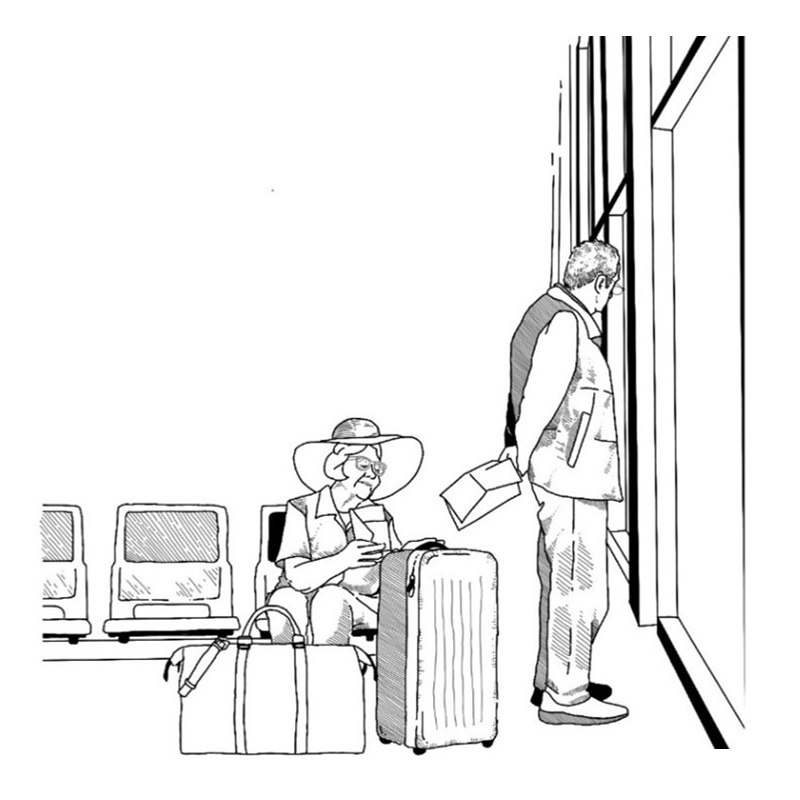
Retired tourists often prioritize confidence as much as comfort. Clear sightlines, intuitive layouts, and environments that are easy to understand allow them to move through the airport at their own pace.
Design Response
Design environments that reduce unnecessary movement while maintaining strong visual connections to boarding activity and wayfinding.
SCB Insight
Confidence often comes from clarity.
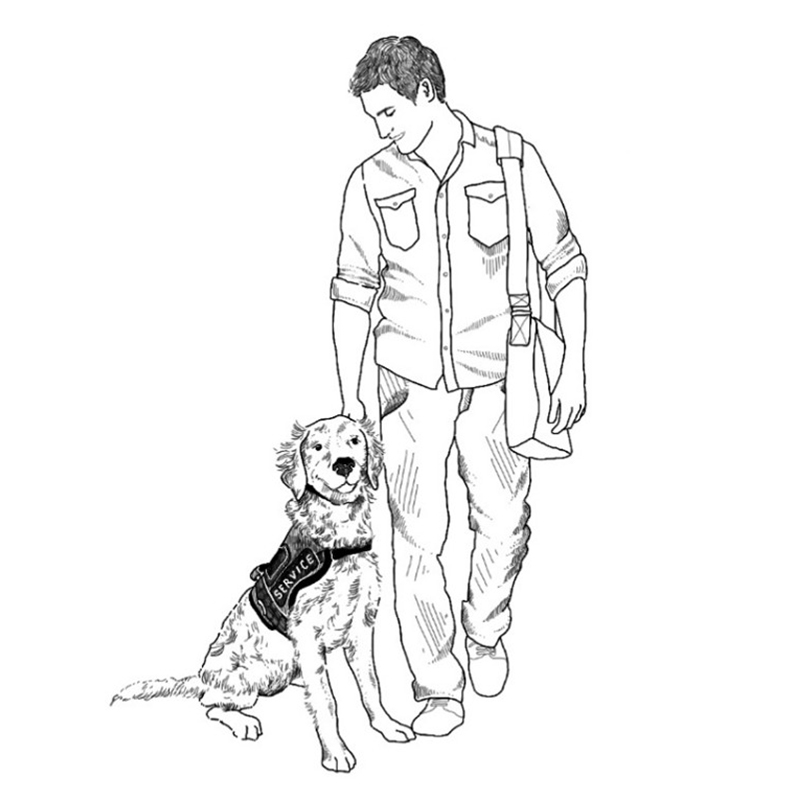
Passengers benefit from environments that communicate clearly before assistance is ever required.
Design Response
Embed accessibility throughout the passenger experience rather than treating it as a separate design layer.
SCB Insight
Accessibility isn’t a special feature. It’s a measure of good design.
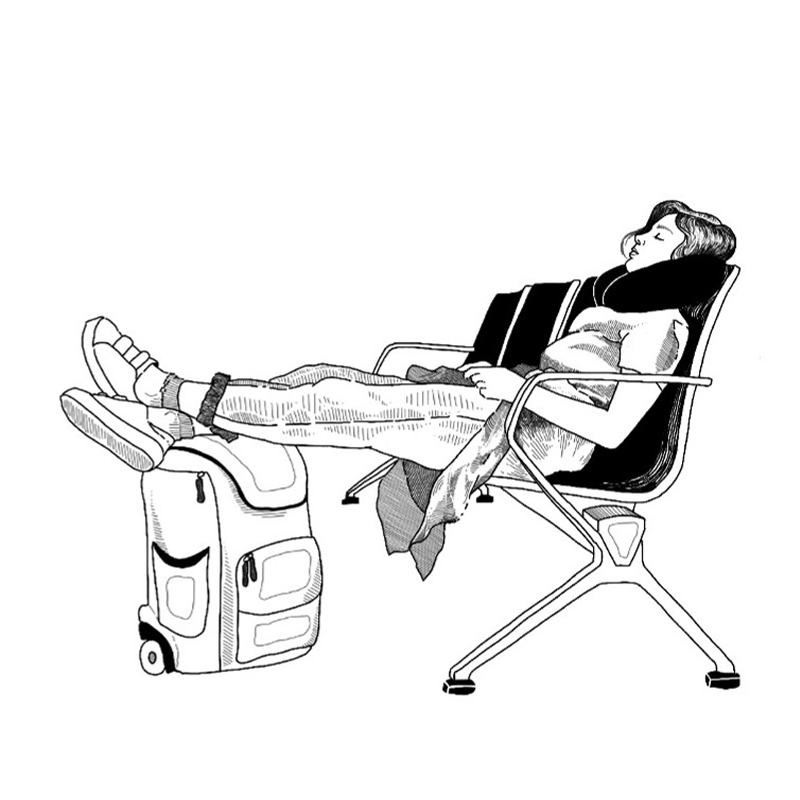
As dwell time increases, passenger expectations shift. Travelers begin looking for opportunities to recharge, reorganize belongings, rest, or simply make better use of their time.
Design Response
Support longer stays with a broader variety of seating, personal space, and environments that accommodate changing behaviors.
SCB Insight
Time changes how people use space.
Looking Ahead
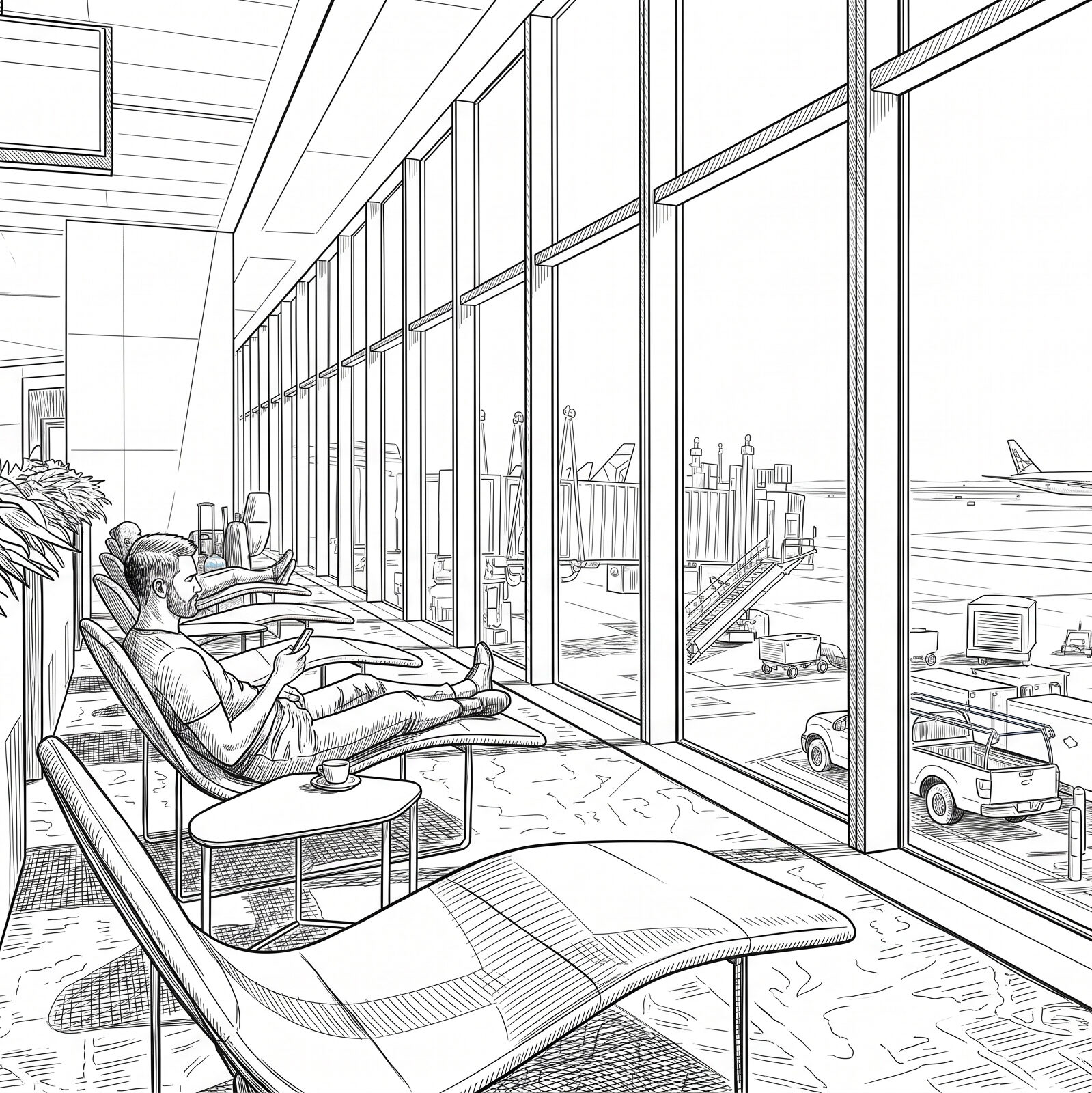
As airports continue to evolve, operational performance will remain essential, but the most successful airports won’t be defined solely by how efficiently they move passengers. They’ll also be remembered for how effortlessly passengers experience the journey. At SCB, we believe those goals are inseparable. Great airport design isn’t measured only by how a building performs, but by how naturally people can move through it, understand it, and use it.
Beyond Aviation
While these passenger profiles were developed through SCB’s aviation work, the thinking behind them extends well beyond airports. Every project we design—whether a workplace, residential tower, university commons, hospitality environment, or airport terminal—brings together people with different priorities, behaviors, and expectations.
Our role isn’t to create separate spaces for every user; it’s to create shared environments that work exceptionally well for all of them. Understanding human behavior helps us do exactly that. When we understand how people naturally move, gather, work, rest, and connect, we create places that are more intuitive, more flexible, and ultimately more successful.
Contributors:

Pierce Allston
Sasha Anoshenko